

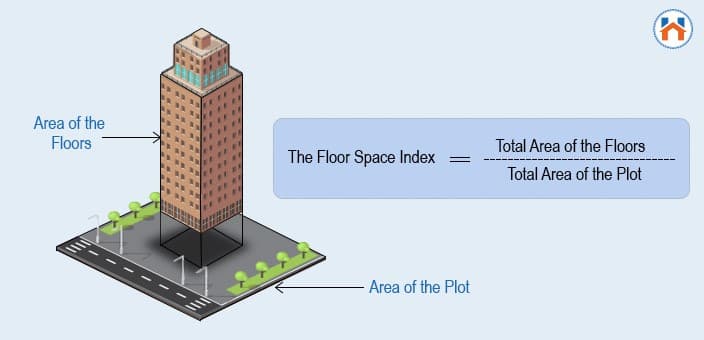
Impact of FSI on Urban Planning
Density Regulation: FSI serves as a potent tool for regulating urban density. Higher FSI values allow for increased construction on a limited area, contributing to denser urban spaces.
Efficient Land Utilization: FSI facilitates optimal land utilization, particularly in areas with limited space. It promotes vertical growth, reducing urban sprawl and preserving valuable green spaces.
Economic Implications: The FSI directly influences property values and real estate economics. Higher FSI often correlates with increased property prices due to the potential for larger and more lucrative developments.
Infrastructure Alignment: FSI considerations must align with the capacity of local infrastructure. Higher FSI could strain resources such as water, sewage, and transportation systems, necessitating infrastructure upgrades.
Aesthetics and Environment: Balancing development with environmental sustainability is crucial. Proper FSI regulations aid in maintaining a city’s aesthetic appeal while preserving its ecological balance.
Challenges and Controversies covering FSI
Overcrowding and Infrastructure Strain: Unrestricted FSI can lead to overcrowding, traffic congestion, and stress on amenities, impacting urban life quality.
Zoning and Regulatory Challenges: Inconsistencies in FSI regulations across zones or ambiguous guidelines can result in legal disputes and irregularities in development.